



The Science of Healthy Aging
- September 13, 2026
- Carnosine
The Science of Healthy Aging: Why L-Carnosine Matters More Than Ever
Introduction
Growing older is one of life’s few certainties. Yet how we age is influenced by many factors, including nutrition, physical activity, stress management, sleep, and the health of our cells. While no single supplement can stop the aging process, modern research has identified several naturally occurring compounds that may help support healthy aging from within. One of the most fascinating of these compounds is L-Carnosine.
Discovered more than a century ago, L-Carnosine is naturally present in human muscles, the brain, and many other tissues. Scientists continue to study its unique biological properties because it appears to perform several important protective functions inside the body. As we age, however, natural levels of carnosine gradually decline, leading many researchers to investigate whether supplementation may help maintain healthy cellular function.
Unlike trendy ingredients that come and go, L-Carnosine has been the subject of decades of scientific investigation. Researchers have explored its potential role in supporting healthy proteins, protecting cells from oxidative stress, promoting muscle performance, and encouraging overall vitality during aging.
Today, interest in L-Carnosine continues to grow among individuals looking for evidence-based ways to support long-term wellness rather than seeking quick fixes. While research is still ongoing, the compound has earned a reputation as one of the most promising naturally occurring molecules in the field of healthy aging.
For people who want to remain active, independent, and energetic for years to come, understanding what L-Carnosine is—and why scientists continue to study it—is an excellent place to begin.
What Exactly Is L-Carnosine?
L-Carnosine is a naturally occurring dipeptide composed of two amino acids:
- Beta-alanine
- L-Histidine
These amino acids combine naturally inside the body, particularly in skeletal muscles, the heart, and the nervous system. Because these tissues are constantly exposed to physical activity, metabolism, and oxidative stress, researchers believe carnosine serves several protective functions that help maintain normal cellular health.
One unique characteristic of L-Carnosine is that it is produced naturally by the body rather than being classified as a vitamin or essential nutrient. However, natural production tends to decrease with age, which has led scientists to investigate whether supplementation may help maintain optimal levels later in life.
Diet also plays a role. L-Carnosine is found primarily in animal-based foods such as beef, poultry, pork, and fish. Individuals following vegetarian or vegan diets often consume significantly lower amounts of dietary carnosine, making endogenous production even more important.
Because L-Carnosine is naturally present in healthy human tissue, researchers have long considered it an intriguing candidate for supporting healthy aging. Instead of acting through a single pathway, studies suggest it may influence several biological processes simultaneously, making it one of the more versatile compounds currently being explored in longevity research.

How Aging Affects Our Cells—and Where L-Carnosine May Help
Aging doesn’t happen overnight. Instead, it is the result of countless small biological changes that gradually accumulate inside our cells over many years. While wrinkles and reduced muscle strength are the visible signs we notice, the real story begins much deeper, at the cellular level.
Every day, our bodies produce energy to keep us alive. This process is essential, but it also generates unstable molecules known as free radicals. In small amounts, free radicals play normal roles in the body. However, when their production exceeds the body’s natural defenses, they can contribute to a condition known as oxidative stress.
Oxidative stress has been widely studied because it may gradually affect proteins, cell membranes, DNA, and mitochondria—the tiny energy-producing structures inside every cell. Over time, this accumulated damage is believed to contribute to many of the natural changes associated with aging.
Researchers have been interested in L-Carnosine because laboratory studies suggest it may help support the body’s natural defense systems against oxidative stress. Rather than replacing these systems, carnosine appears to work alongside them, helping maintain a healthier cellular environment.
Another biological process that has attracted significant scientific attention is glycation.
Glycation occurs when excess sugars naturally bind to proteins and fats inside the body. These reactions produce compounds known as Advanced Glycation End Products (AGEs). Despite sharing the same abbreviation as the word “age,” AGEs are actual biological molecules that can accumulate slowly over time.
Scientists believe excessive accumulation of AGEs may contribute to the gradual stiffening and reduced flexibility of tissues throughout the body. This process has been studied in relation to skin appearance, blood vessels, joints, and numerous other organs.
One reason L-Carnosine has become such an interesting research topic is its apparent ability to interact with reactive compounds involved in glycation. Although research continues, laboratory studies suggest that L-Carnosine may help reduce some of the damaging reactions that occur during the formation of AGEs.
Maintaining healthy proteins is especially important because proteins perform nearly every function in the human body. They build muscles, repair tissues, regulate hormones, transport nutrients, and support countless biochemical reactions. Protecting these proteins from unnecessary damage may therefore play an important role in maintaining long-term vitality.
Scientists also continue investigating how L-Carnosine interacts with mitochondria, often referred to as the “powerhouses” of our cells. Healthy mitochondrial function is essential for producing the energy required for movement, concentration, recovery, and overall physical performance. As mitochondrial efficiency naturally declines with age, maintaining their health has become a major focus of longevity research.
While no supplement can prevent aging itself, supporting healthy cellular function remains one of the most promising approaches for maintaining quality of life throughout the aging process. This is precisely why L-Carnosine continues to attract attention from researchers around the world.

Why Researchers Continue Studying L-Carnosine
Unlike many popular wellness ingredients that gain attention through marketing trends, L-Carnosine has been studied in scientific laboratories for decades. Researchers are interested in it because of its unique ability to participate in several biological processes at the same time.
Current research has explored its potential role in supporting:
- Healthy cellular aging
- Protection against oxidative stress
- Healthy protein structure
- Normal muscle performance
- Brain and nervous system health
- Cardiovascular wellness
- Exercise recovery
- Healthy skin appearance
It is important to understand that research is still ongoing. Scientists continue investigating exactly how L-Carnosine works inside the body and which populations may benefit the most from supplementation. Many of the findings come from laboratory studies and clinical research, and no dietary supplement should be considered a treatment or cure for disease.
Nevertheless, few naturally occurring compounds have generated as much sustained scientific interest over such a long period. Its naturally occurring presence in the human body, combined with decades of published research, has helped establish L-Carnosine as one of the more respected ingredients in the field of healthy aging.
As longevity science continues to evolve, researchers are increasingly focusing not only on lifespan but also on healthspan—the number of years people remain active, independent, and capable of enjoying life. Supporting healthy cellular function is considered one important piece of that larger picture, and L-Carnosine remains an active area of investigation within this growing field.

L-Carnosine, Physical Performance, and Everyday Vitality
Remaining active is one of the most effective ways to support healthy aging. Regular movement helps maintain muscle mass, cardiovascular fitness, mobility, balance, and overall quality of life. While exercise remains the foundation of healthy aging, nutrition also plays an important supporting role.
L-Carnosine is naturally concentrated in skeletal muscles, where it has been studied for decades because of its potential involvement in muscle performance. Scientists believe that one of its important functions is helping muscles cope with the natural changes that occur during physical activity.
During exercise, muscles produce acids as part of normal energy metabolism. As these acids accumulate, muscles may begin to fatigue, making it more difficult to maintain strength and endurance. Research suggests that carnosine may help buffer these changes, allowing muscles to continue functioning efficiently during periods of intense activity.
For this reason, athletes have shown interest in maintaining healthy muscle carnosine levels. However, L-Carnosine is not only relevant to competitive sports. Healthy muscle function is equally important for older adults who want to remain active, independent, and physically capable throughout life.
Simple everyday activities—walking, climbing stairs, gardening, carrying groceries, or playing with grandchildren—all depend on maintaining strong, healthy muscles. Supporting normal muscle function can help people continue enjoying these activities as they grow older.
Researchers have also explored whether L-Carnosine may play a role in post-exercise recovery. While recovery depends on many factors—including sleep, hydration, nutrition, and training intensity—healthy cellular function is an essential part of the body’s natural repair process.
Although research continues, L-Carnosine remains one of the most extensively studied naturally occurring compounds in the field of muscle physiology.

Supporting Brain Health Throughout Life
Healthy aging isn’t only about muscles and joints. Maintaining cognitive health is equally important for preserving independence and quality of life.
The human brain consumes an extraordinary amount of energy every day. Because of its high metabolic activity, brain tissue is naturally exposed to oxidative stress throughout life. Researchers have therefore been interested in compounds that may help support healthy neurological function.
L-Carnosine is naturally present in the brain, where scientists believe it may contribute to maintaining normal cellular health. Laboratory studies have investigated its antioxidant properties as well as its potential role in protecting proteins and supporting normal cellular communication.
While research is still ongoing, scientists continue exploring whether maintaining healthy carnosine levels may contribute to long-term brain wellness.
It is important to recognize that no supplement can replace healthy lifestyle habits. Regular exercise, quality sleep, mental stimulation, social engagement, and a balanced diet remain the cornerstones of cognitive health. L-Carnosine should be viewed as one possible component of a comprehensive wellness strategy rather than a standalone solution.
As interest in healthy aging continues to expand worldwide, preserving both physical and mental vitality has become one of the primary goals of modern longevity research.
Can You Get Enough L-Carnosine From Food?
Because L-Carnosine is naturally found in animal tissues, it is present in foods such as:
- Beef
- Chicken
- Turkey
- Pork
- Fish
People who regularly consume these foods naturally obtain dietary carnosine. However, cooking methods, dietary preferences, and overall intake can all influence how much is available.
Vegetarians and vegans generally consume very little dietary carnosine because plant foods do not naturally contain significant amounts of this compound. Instead, their bodies rely entirely on producing carnosine from its amino acid building blocks.
Age is another important factor. Natural production tends to decline over time, leading many people to explore supplementation as part of their healthy aging routine.
As always, dietary supplements should complement—not replace—a balanced diet rich in fruits, vegetables, whole grains, healthy fats, and adequate protein.
Choosing a Quality L-Carnosine Supplement
Not all supplements are manufactured to the same standards. When selecting an L-Carnosine product, consumers should look for several important qualities.
A reputable supplement should clearly state the amount of L-Carnosine provided per serving and list all ingredients transparently. Products manufactured in facilities that follow Good Manufacturing Practices (GMP) or similar quality standards offer additional confidence regarding consistency and purity.
Consumers should also be cautious of products making unrealistic promises. Any supplement that claims to “reverse aging overnight” or “guarantee youth” should be viewed with skepticism. Healthy aging is a long-term process supported by many lifestyle factors, not by a single ingredient.
The best approach is to choose products from trusted companies that prioritize scientific evidence, transparent labeling, and responsible manufacturing practices.
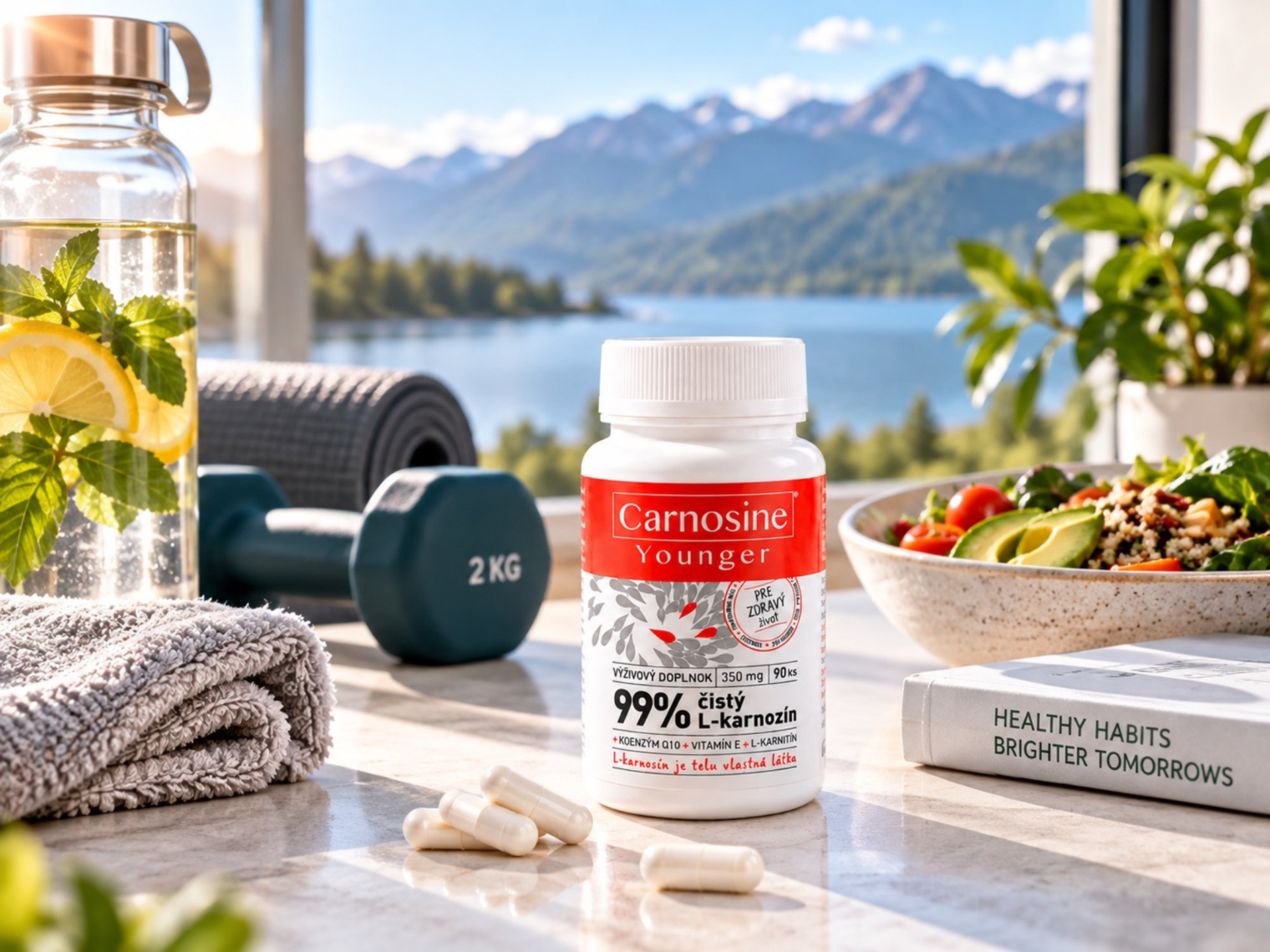
A Holistic Approach to Healthy Aging
One of the biggest misconceptions about healthy aging is that it depends on finding a single “miracle” solution. In reality, maintaining vitality throughout life is the result of many small, consistent habits working together over time.
Regular physical activity helps preserve muscle strength, cardiovascular health, and mobility. A balanced diet provides the nutrients needed to support countless biological processes. Quality sleep allows the body to recover, while stress management supports both physical and mental well-being. Staying socially connected and mentally engaged also contributes to a healthier, more active lifestyle.
Nutritional supplements can complement these healthy habits, but they are not intended to replace them. Instead, they may provide additional support for individuals who wish to maintain their wellness as they grow older.
L-Carnosine has become an area of growing scientific interest because it naturally exists within the human body and appears to participate in several important biological processes. Researchers continue studying its potential role in supporting healthy cells, protecting proteins, maintaining muscle performance, and promoting overall vitality.
Although no supplement can stop the aging process, supporting the body’s natural systems may help individuals continue enjoying an active and fulfilling lifestyle for many years.
Healthy aging is not about trying to look twenty forever. It is about maintaining the strength, energy, independence, and confidence to continue doing the things that matter most.
Why We Chose L-Carnosine
At Carnosine Younger, our philosophy has always been simple: focus on quality, scientific research, and ingredients with genuine potential rather than chasing short-lived wellness trends.
That’s why L-Carnosine became the foundation of our flagship supplement.
We believe consumers deserve products manufactured with carefully selected ingredients, transparent labeling, and a commitment to long-term wellness. Our goal has never been to promise impossible results but to provide a premium-quality supplement designed for people who want to invest in their future health.
Whether your goal is to remain active, support healthy aging, maintain your vitality, or simply make informed decisions about your wellness, understanding the science behind L-Carnosine is an excellent first step.
Every healthy habit you build today has the potential to influence how you feel tomorrow.
Frequently Asked Questions
Is L-Carnosine naturally found in the human body?
Yes. L-Carnosine is naturally present in muscles, the brain, heart, and several other tissues. It is produced from the amino acids beta-alanine and L-histidine.
Does L-Carnosine stop aging?
No. Aging is a natural biological process. Current research suggests L-Carnosine may help support healthy cellular function, but no supplement can stop or reverse aging.
Who may benefit from L-Carnosine?
People interested in supporting healthy aging, maintaining muscle function, promoting long-term wellness, or complementing an active lifestyle often choose L-Carnosine as part of their daily routine. Individual needs vary, and anyone with medical conditions should consult a healthcare professional before starting any supplement.
Can I obtain L-Carnosine through food?
Yes. L-Carnosine is naturally found in meat, poultry, and fish. Individuals following vegetarian or vegan diets generally consume much lower amounts through food alone.
Is L-Carnosine safe?
L-Carnosine has been studied for many years and is generally well tolerated when used appropriately. However, dietary supplements are not intended to diagnose, treat, cure, or prevent any disease. If you are pregnant, nursing, taking medication, or have a medical condition, consult your healthcare provider before use.
Final Thoughts
Healthy aging begins with informed decisions.
By combining regular exercise, balanced nutrition, restorative sleep, stress management, and scientifically researched ingredients such as L-Carnosine, you can support your body’s natural ability to stay active and resilient throughout life.
At Carnosine Younger, we’re proud to offer products inspired by science and designed for people who want to invest in their long-term well-being.
Because healthy aging isn’t about adding years to life—it’s about adding life to your years.